
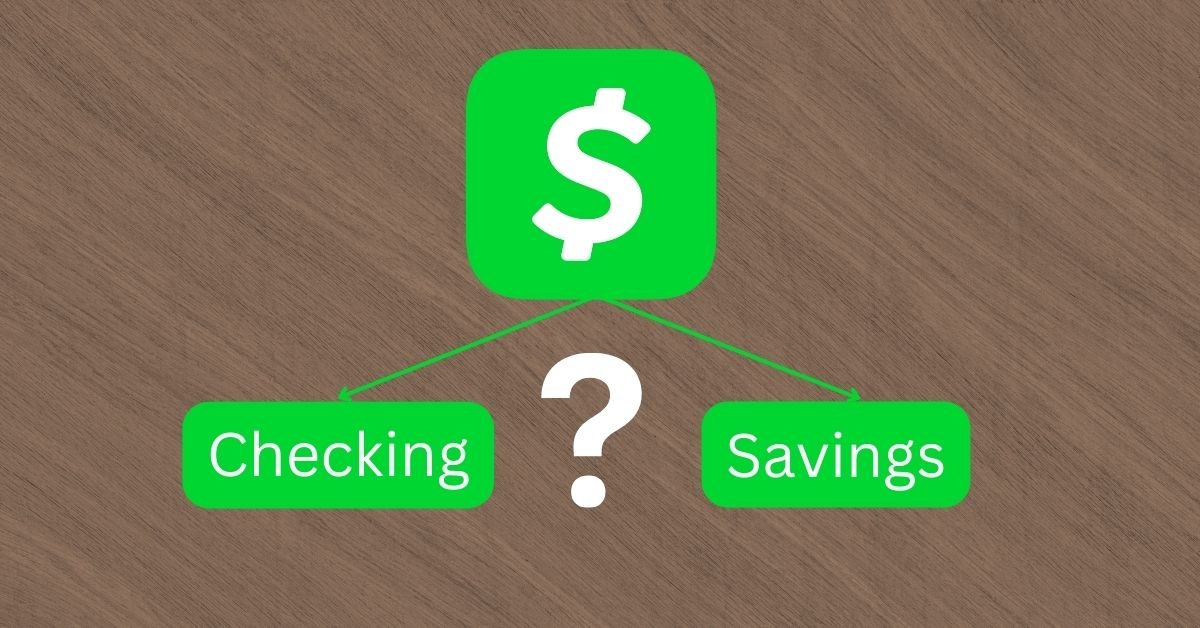
Cash App is a P2P payment service that offers features similar to both checking and savings accounts, such as the ability to send and receive money, make purchases with a linked debit card, and earn interest on your balance. However, it is not a traditional bank account and does not provide the same level of protection and regulation as a bank.
Have you ever found yourself in a situation where you needed to send money to a friend or family member quickly and easily? Or perhaps you’ve been looking for a convenient way to manage your finances on the go? If so, you may have heard of Cash App, a popular mobile payment app that has taken the financial world by storm. But what exactly is Cash App, and how does it work? More importantly, is it a checking or savings account? Let’s dive in and explore the ins and outs of this innovative financial tool.
Key Takeaways
- Cash App is a peer-to-peer (P2P) payment app, not a traditional checking or savings account.
- It offers instant money transfers, a user-friendly interface, and additional features like Bitcoin and stock trading.
- Cash App has limitations, such as lack of FDIC insurance, limited customer support, and potential for scams.
- Users should enable security features, only send money to known individuals, and regularly monitor their transactions to use Cash App safely.
What is Cash App?
Cash App, formerly known as Square Cash, is a peer-to-peer (P2P) payment app developed by Square Inc., a financial technology company based in San Francisco. Launched in 2013, the app allows users to send and receive money from friends and family members instantly using their mobile devices. The app has gained immense popularity over the years, with millions of users across the United States and the United Kingdom.
One of the main reasons for Cash App’s success is its simplicity and user-friendly interface. To get started, all you need to do is download the app from the App Store or Google Play, create an account, and link your bank account or debit card. Once you’ve set up your account, you can start sending and receiving money right away.
Also read: Which Bank Powers Cash App on Plaid? Discover the Answer
How Does Cash App Work?
Using Cash App is as easy as sending a text message. To send money, simply enter the recipient’s email address, phone number, or $Cashtag (a unique username associated with their Cash App account), specify the amount you want to send, and hit the “Pay” button. The money will be instantly transferred from your linked bank account or debit card to the recipient’s Cash App balance.
If you’re on the receiving end, the process is just as straightforward. When someone sends you money through Cash App, you’ll receive a notification, and the funds will be added to your Cash App balance. From there, you can choose to keep the money in your balance for future transactions or withdraw it to your linked bank account.
One of the great things about Cash App is that it’s not just limited to sending and receiving money. The app also offers a range of additional features, such as the ability to buy and sell Bitcoin, invest in stocks, and even get a Cash Card, a custom Visa debit card that allows you to spend your Cash App balance anywhere Visa is accepted.
Also read: Cash App Pending Payments: Causes and Solutions
Is Cash App a Checking or Savings Account?
Now that we’ve covered the basics of Cash App, let’s address the main question at hand: is Cash App a checking or savings account? The short answer is neither. Cash App is not a traditional bank account, and it does not offer the same features and protections as a checking or savings account.
When you sign up for Cash App, you’re not opening a bank account in the traditional sense. Instead, you’re creating a prepaid account that allows you to store and manage your money within the app. This means that your Cash App balance is not FDIC-insured, and you won’t earn interest on your funds like you would with a savings account.
However, this doesn’t mean that Cash App is completely unregulated or unsafe to use. The app is licensed as a money transmitter in most states, which means it is subject to certain regulations and oversight. Additionally, Cash App uses encryption and fraud detection technology to protect your personal and financial information.
Advantages of Using Cash App
Despite not being a traditional bank account, Cash App offers several advantages that make it an attractive option for many users. Here are some of the main benefits of using Cash App:
- Convenience: With Cash App, you can send and receive money instantly from your mobile device, without the need to visit a bank or ATM. This makes it incredibly convenient for splitting bills, paying rent, or sending money to friends and family members.
- No fees: Unlike some other payment apps or traditional bank transfers, Cash App doesn’t charge any fees for sending or receiving money (unless you use a credit card). This means you can save money on transaction fees and keep more of your hard-earned cash.
- Instant transfers: When you receive money through Cash App, it’s instantly added to your balance and available for use. You don’t have to wait for the funds to clear or go through a lengthy verification process.
- Additional features: As mentioned earlier, Cash App offers a range of additional features beyond just sending and receiving money. The ability to buy and sell Bitcoin, invest in stocks, and use a custom debit card makes it a versatile financial tool for many users.
Also read: Borrow Money from Cash App: A Step-by-Step Guide
Disadvantages of Using Cash App
While Cash App has many advantages, it’s important to be aware of some of the potential drawbacks as well. Here are a few things to keep in mind:
- Limited customer support: If you run into issues with your Cash App account or transactions, getting in touch with customer support can be challenging. The app doesn’t offer phone support, and you may have to rely on email or social media to get assistance.
- Potential for scams: Like any online payment platform, Cash App is not immune to scams and fraud. It’s important to be cautious when sending money to someone you don’t know and to never share your personal or financial information with strangers.
- No FDIC insurance: As mentioned earlier, your Cash App balance is not FDIC-insured like a traditional bank account. This means that if something were to happen to the company or your account, your funds may not be protected.
- Limited international transactions: While Cash App is available in the United States and the United Kingdom, it doesn’t support international transactions to other countries. If you need to send money abroad, you’ll need to use a different service.
How to Use Cash App Safely
If you decide to use Cash App, there are several steps you can take to ensure your transactions are safe and secure. Here are some tips to keep in mind:
- Enable two-factor authentication: Cash App offers two-factor authentication, which adds an extra layer of security to your account. When enabled, you’ll need to enter a code sent to your phone in addition to your password to log in.
- Only send money to people you know: Avoid sending money to strangers or people you don’t know well. If someone asks you to send them money through Cash App and you’re not sure who they are, it’s best to err on the side of caution.
- Double-check recipient information: Before sending money, always double-check the recipient’s email address, phone number, or $Cashtag to ensure you’re sending it to the right person. A simple typo could result in your money going to the wrong account.
- Keep your account information private: Never share your Cash App login credentials, PIN, or other sensitive information with anyone. If someone asks for this information, it’s likely a scam.
- Monitor your transactions: Regularly review your Cash App transaction history to ensure there are no unauthorized or suspicious charges. If you notice anything unusual, report it to Cash App support right away.
FAQs
Yes, you can use your Cash App balance and the Cash App Card for everyday spending, bill payments, and ATM withdrawals, much like a checking account.
Yes, Cash App offers ‘Cash App Savings’ which acts like a high-yield savings account. You can transfer funds from your Cash App balance to Cash App Savings to earn interest.
Yes, Cash App is generally free to use for sending and receiving money. However, certain transactions, such as using a credit card to send money or instant deposits to your bank account, may incur fees.
No, Cash App is currently only available in the United States and the United Kingdom and does not support international transactions to other countries.
While Cash App uses encryption and fraud detection to protect your information, it’s important to remember that your funds are not FDIC-insured like a traditional bank account. It’s crucial to enable security features and be cautious when sending money to others.
To add money to your Cash App account, you can link your bank account or debit card. Once linked, you can transfer funds from your bank account to your Cash App balance.
Yes, Cash App offers the ability to buy and sell Bitcoin, as well as invest in stocks through its investing feature. However, it’s essential to understand the risks associated with investing and to do your research before making any investment decisions.
Yes, Cash App can be used for business transactions. Business accounts can accept payments from customers and pay for goods and services. However, businesses might prefer traditional bank accounts due to additional services and protections offered by banks.
Conclusion
In conclusion, while Cash App is not a traditional checking or savings account, it offers a convenient and easy way to send and receive money from your mobile device. With its user-friendly interface, instant transfers, and additional features like Bitcoin and stock trading, it’s no wonder that millions of people have embraced this innovative financial tool.
However, it’s important to remember that Cash App is not without its limitations and potential risks. The lack of FDIC insurance, limited customer support, and potential for scams are all things to keep in mind when using the app.
By following the safety tips outlined above and being cautious when sending money to others, you can enjoy the benefits of Cash App while minimizing your risk. Whether you’re splitting a dinner bill with friends, paying rent to your landlord, or just looking for a convenient way to manage your money on the go, Cash App is definitely worth considering.
As with any financial decision, it’s important to do your research and weigh the pros and cons before diving in. But if you’re looking for a fast, easy, and fee-free way to send and receive money, Cash App may be just the tool you need.