
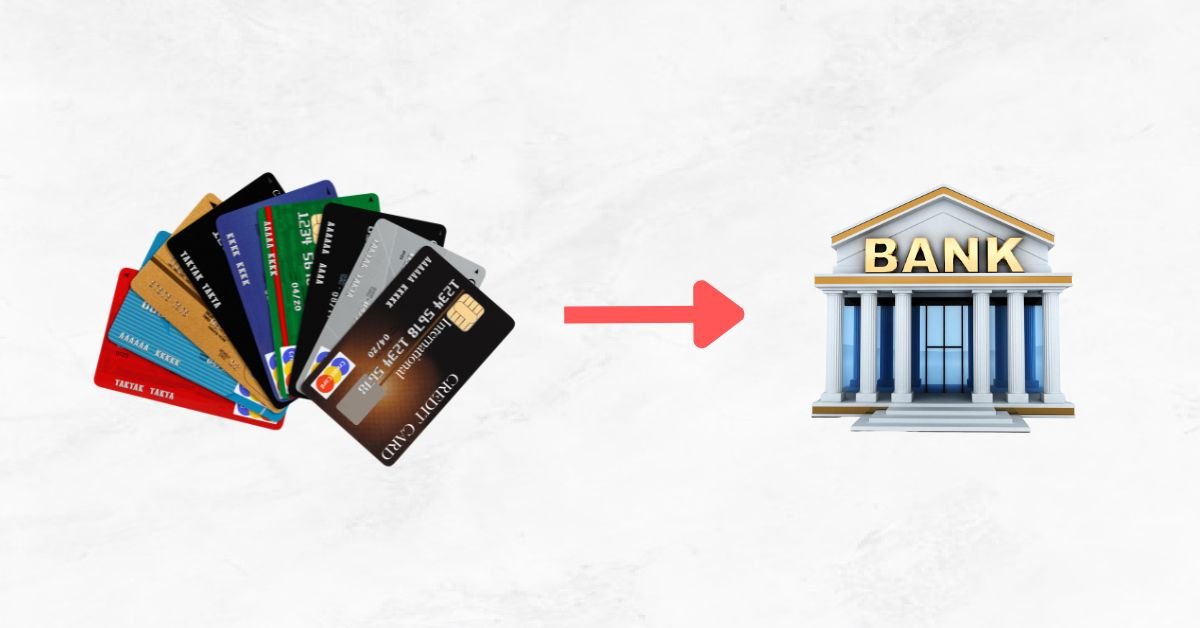
Transferring money from a credit card to a bank account is a common need. However, this process isn’t as straightforward as it might seem and can come with significant costs and risks. This guide provides the latest information on how to execute such transfers, the methods available, and the crucial factors to consider before proceeding.
It’s essential to understand that most credit card issuers treat these transfers as cash advances, which typically incur high fees and interest rates. Before attempting any transfer, carefully review your credit card’s terms and consider the financial implications. Let’s explore the viable methods and their current associated costs as of 2024.
What is a credit card cash advance?
A credit card cash advance is a service that allows you to borrow cash against your credit card’s line of credit. While it may seem like a convenient way to access funds, it’s crucial to understand its implications. Cash advances typically come with higher interest rates than regular purchases, often starting to accrue immediately without a grace period. Additionally, most card issuers charge a cash advance fee, usually a percentage of the amount borrowed or a flat fee, whichever is greater.
Why transferring money from a credit card isn’t straightforward?
Transferring money from a credit card to a bank account isn’t straightforward primarily because credit cards are designed for purchases, not cash transfers. Card issuers and banks implement barriers to discourage such transfers, as they pose higher risks and costs for the institutions. These transactions are usually treated as cash advances, subject to the aforementioned higher fees and interest rates. Furthermore, many credit card agreements explicitly prohibit or limit such transfers to prevent potential abuse or financial instability for the cardholder. This complexity necessitates careful consideration of alternative options and a thorough understanding of the associated costs before proceeding with any credit card to bank account transfer.
1. Balance Transfer
How it works:
A balance transfer involves moving debt from one credit card to another, typically one with a lower interest rate. To transfer money to a bank account, you’d need to find a credit card that allows balance transfers to a linked bank account. You apply for the new card, and upon approval, initiate the transfer to your bank account. The amount transferred becomes your new balance on the credit card.
Pros:
- Often comes with introductory low or 0% APR periods, potentially saving on interest
- Can consolidate debt from multiple sources
- May provide a way to access funds at a lower cost than a cash advance
Cons:
- Usually incurs a balance transfer fee (typically 3-5% of the transferred amount)
- Introductory rates are temporary; regular rates can be high if balance isn’t paid off
- May impact credit utilization ratio, potentially affecting credit score
- Not all cards allow transfers to bank accounts
Latest balance transfer offers from major banks:
As of 2024, some noteworthy balance transfer offers include:
- Citi® Diamond Preferred® Card: 0% APR for 21 months on balance transfers, with a 5% fee
- Chase Slate Edge℠: 0% APR for 18 months, with a 3% fee (minimum $5)
- U.S. Bank Visa® Platinum Card: 0% APR for 20 billing cycles, with a 3% fee (minimum $5)
- Wells Fargo Reflect® Card: 0% APR for up to 21 months, with a 5% fee (minimum $5)
Note: These offers are subject to change and may vary based on individual creditworthiness. Always verify current terms directly with the card issuer before applying.
2. Cash Advance
ATM withdrawals:
Cash advances can be obtained directly from ATMs using your credit card. To do this, you’ll need a PIN associated with your credit card, which you can request from your issuer if you don’t already have one. Once you have the PIN, you can use it at ATMs to withdraw cash, up to your cash advance limit. After withdrawing, you can deposit the cash into your bank account.
Over-the-counter bank withdrawals:
Another method is to visit a bank branch that issues your credit card. Present your credit card and a government-issued ID to the teller and request a cash advance. The teller will process the transaction, providing you with the requested cash, which you can then deposit into your bank account. This method may allow for larger withdrawals compared to ATM limits.
Current average cash advance fees and interest rates:
As of 2024, cash advance terms remain costly:
Fees:
- The average cash advance fee is 3% to 5% of the transaction amount, with a typical minimum of $10.
- Some cards charge a flat fee instead, usually around $20.
Interest rates:
- Cash advance APRs average between 24.99% to 29.99%, significantly higher than standard purchase APRs.
- Interest begins accruing immediately; there’s no grace period.
Examples from major issuers:
- Chase: 5% fee (minimum $10), 27.24% APR
- American Express: 5% fee (minimum $10), 28.99% APR
- Capital One: 3% fee (minimum $10), 26.99% APR
- Discover: 5% fee (minimum $10), 27.24% APR
It’s important to note that these rates and fees can vary based on the specific card and the cardholder’s creditworthiness. Always check your card’s terms and conditions for the most accurate and up-to-date information. Given these high costs, cash advances should generally be considered only as a last resort.
3. Peer-to-Peer Payment Services
Popular platforms:
- PayPal
- Venmo (owned by PayPal)
- Cash App
- Zelle (integrated with many bank apps)
- Google Pay
- Apple Pay Cash
Step-by-step process:
- Choose a platform and create an account if you don’t have one.
- Link your credit card to the service.
- Link your bank account to the same service.
- Initiate a transfer from your credit card to your linked bank account:
- For most services, this is a two-step process:
- Transfer from credit card to the service’s balance
- Transfer from the service’s balance to your bank account
- Confirm the transaction and wait for processing (typically 1-3 business days).
Fees involved:
PayPal:
- Credit card to PayPal balance: 2.9% + $0.30
- Instant transfer to bank: 1.75% of the amount transferred (min $0.25, max $25)
- Standard transfer to bank: Free (1-3 business days)
Venmo:
- Credit card to Venmo balance: 3%
- Instant transfer to bank: 1.75% of the amount transferred (min $0.25, max $25)
- Standard transfer to bank: Free (1-3 business days)
Cash App:
- Credit card to Cash App balance: 3%
- Instant transfer to bank: 1.5% (min $0.25)
- Standard transfer to bank: Free (1-3 business days)
Zelle:
- Does not support credit card transfers
Google Pay:
- Credit card to Google Pay balance: 2.9%
- Transfer to bank: Free (1-3 business days)
Apple Pay Cash:
- Credit card to Apple Pay balance: 2.9%
- Instant transfer to bank: 1.5% (min $0.25, max $15)
- Standard transfer to bank: Free (1-3 business days)
Important notes:
- These fees are in addition to any cash advance fees your credit card may charge.
- Some credit card issuers may treat these transactions as cash advances, incurring additional fees and higher interest rates.
- Always check your credit card’s terms and the current fees on the payment platform before proceeding, as they may change without notice.
- Using these services to transfer money from a credit card to a bank account may violate the terms of service of some platforms.
Given the fees involved, this method can be expensive and should be used cautiously. Always consider alternatives and understand the total cost before proceeding.
4. Money Transfer Services
- Western Union
- MoneyGram
- Ria Money Transfer
- Wise (formerly TransferWise)
- Xoom (a PayPal service)
How to use them for self-transfer:
- Choose a service and create an account if necessary.
- Initiate a transfer:
- Online: Visit the company’s website or use their mobile app
- In-person: Visit a local agent location
- Select “Send money” option
- Choose your own name as the recipient
- Select your credit card as the funding source
- Choose bank deposit as the receiving method
- Enter your bank account details
- Review fees and exchange rates (if applicable)
- Confirm and complete the transaction
- Keep the tracking number for reference
Current fee structures:
Western Union:
- Fees vary based on amount, destination, and payment method
- Credit card transfers typically incur higher fees
Example: Sending $500 within the US
- Online: $25 to $40 fee
- In-person: $30 to $45 fee
MoneyGram:
- Fees vary based on amount, destination, and payment method
- Credit card transfers generally more expensive
Example: Sending $500 within the US
- Online: $20 to $30 fee
- In-person: $25 to $35 fee
Ria Money Transfer:
- Generally lower fees than Western Union or MoneyGram
Example: Sending $500 within the US
- Online: $15 to $25 fee
- In-person: $20 to $30 fee
Wise:
- Focuses on international transfers
- Fees are typically a percentage of the transfer amount
- Credit card fees: 3.69% + $0.30 for transfers up to $1000
Xoom:
- Fees vary based on amount and destination
Example: Sending $500 within the US
- $4.99 to $9.99 fee for bank deposits
Important considerations:
- These services primarily designed for sending money to others, not self-transfers
- Using credit cards often incurs higher fees than other payment methods
- Your credit card issuer may treat this as a cash advance, adding extra fees and higher interest rates
- Exchange rates (for international transfers) can impact the overall cost
- Fees and structures can change; always check current rates before initiating a transfer
- Some services may have limits on credit card usage or self-transfers
Given the potentially high costs, using money transfer services for credit card to bank account transfers should generally be a last resort. Always compare the total cost (including potential cash advance fees from your credit card) with other methods before proceeding.
5. Convenience Checks
What they are and how to get them:
Convenience checks are blank checks that credit card issuers sometimes send to cardholders. They allow you to access your credit line by writing a check to yourself or a third party.
How to get them:
- Some issuers automatically send them to cardholders
- You can request them from your credit card issuer via phone, online account, or mobile app
- Not all issuers offer convenience checks, and they’re becoming less common in 2024
Usage process:
- Receive the checks from your credit card issuer
- Write a check to yourself for the desired amount (up to your available credit limit)
- Deposit the check into your bank account
- The amount becomes part of your credit card balance
Typical terms and conditions in 2024:
Fees:
- Transaction fee: Usually 3% to 5% of the check amount (minimum $5 to $10)
- Some issuers may offer promotional periods with reduced or waived fees
Interest rates:
- Often treated as a cash advance, with rates around 24.99% to 29.99% APR
- Interest typically starts accruing immediately, with no grace period
Credit limit:
- Usually limited to your available credit
- Some issuers may set a separate limit for convenience checks
Rewards:
- Typically do not earn rewards points or cash back
Expiration:
- Checks often have an expiration date, usually a few months from issuance
Additional terms:
- Using convenience checks may void purchase protections on your card
- They cannot be used for existing credit card balances with the same issuer
- Some issuers may report convenience check usage to credit bureaus differently than regular purchases
Important considerations for 2024:
- Convenience checks are becoming less common as digital payment methods proliferate
- Some issuers have discontinued them entirely due to fraud concerns
- Environmental considerations have led some companies to reduce paper-based offerings
- Digital alternatives, like direct deposit cash advances, are sometimes offered instead
- Always verify current terms with your issuer, as they can change
Given the high costs and potential risks, convenience checks should be used cautiously. Always compare with other options and understand the full implications before using them to transfer money to your bank account.
Potential Consequences
Impact on credit score:
- Credit utilization: Transferring money from your credit card to your bank account increases your credit utilization ratio, which can negatively impact your credit score. A higher utilization ratio suggests increased credit risk.
- New credit inquiries: If you open a new card for a balance transfer, the hard inquiry can temporarily lower your score by a few points.
- Average account age: Opening a new card reduces your average account age, potentially lowering your score.
- Payment history: If high fees and interest make it difficult to make timely payments, missed or late payments can severely damage your credit score.
High interest rates and fees:
- Cash advance APR: Typically ranges from 24.99% to 29.99%, much higher than standard purchase APRs.
- No grace period: Interest starts accruing immediately, unlike regular purchases which often have a grace period.
- Transaction fees: Usually 3% to 5% of the transaction amount, with a minimum of $10 to $20.
- Balance transfer fees: If using a balance transfer, fees typically range from 3% to 5% of the transferred amount.
- Compounding effect: High interest rates compound quickly, potentially leading to rapid debt growth.
Debt accumulation risks:
- Easy access to credit: The convenience of transferring money from credit to cash can lead to overspending and living beyond one’s means.
- Debt cycle: High fees and interest rates can make it difficult to pay off the borrowed amount, potentially trapping you in a cycle of debt.
- Reduced available credit: Using a large portion of your credit limit for cash transfers leaves less available for emergencies or regular expenses.
- Psychological impact: Treating credit as cash can blur the line between available funds and debt, leading to poor financial decisions.
- Opportunity cost: Money spent on high interest and fees could be used for savings, investments, or other financial goals.
- Potential for default: Accumulating high-interest debt increases the risk of defaulting on payments, which can have severe long-term financial consequences.
- Reduced financial flexibility: High credit card balances can limit your ability to qualify for other forms of credit when needed, such as loans for major purchases.
These potential consequences underscore the importance of carefully considering alternatives and fully understanding the costs before transferring money from a credit card to a bank account. It’s crucial to have a solid repayment plan in place to mitigate these risks.
Alternatives to Consider
Personal loans:
- Lower interest rates: Often offer lower rates than credit card cash advances, typically ranging from 6% to 36% depending on creditworthiness.
- Fixed repayment terms: Set monthly payments over a fixed period, providing clear payoff timeline.
- Potential for larger amounts: May allow borrowing larger sums than credit card limits.
- No collateral required for unsecured loans: Your assets aren’t at risk.
- Possible credit score improvement: If used responsibly, can help diversify your credit mix.
- Origination fees: Some lenders charge 1% to 8% of the loan amount.
- Online lenders: Many offer quick approval and funding processes.
Borrowing from friends or family:
- Potentially interest-free or low-interest: Can be much cheaper than commercial options.
- Flexible repayment terms: Possibility to negotiate terms that work for both parties.
- No credit check: Won’t impact your credit score.
- Quicker access to funds: Often faster than formal lending processes.
- Risk to relationships: Financial transactions can strain personal relationships if not handled carefully.
- Lack of formality: Important to create a written agreement to avoid misunderstandings.
- Tax implications: Large gifts or low-interest loans may have tax consequences for the lender.
Exploring 0% APR credit card offers:
- Introductory 0% APR periods: Often range from 12 to 21 months on purchases and/or balance transfers.
- Potential savings: Can save significantly on interest during the promotional period.
- Balance transfer option: Some cards allow transferring balances from other cards at 0% APR.
- Credit score requirements: Usually require good to excellent credit (typically 670+).
- Balance transfer fees: Often 3% to 5% of the transferred amount, though some cards waive this fee.
- Regular APR: After the promotional period, rates typically range from 14.99% to 24.99% or higher.
- Credit utilization impact: Opening a new card can lower your overall credit utilization, potentially boosting your credit score.
- Limited time to pay off: Important to have a plan to pay off the balance before the promotional period ends.
- Rewards potential: Some 0% APR cards also offer cash back or points on purchases.
When considering these alternatives:
- Compare total costs, including fees and potential interest.
- Assess your ability to repay within the given terms.
- Consider the impact on your credit score and overall financial health.
- Read the fine print carefully, especially for credit card offers.
- For personal loans or 0% APR cards, be prepared for a hard credit inquiry.
Choosing the right option depends on your specific financial situation, credit score, and long-term financial goals. It’s often beneficial to consult with a financial advisor to determine the best course of action for your individual circumstances.
Tips for Responsible Use
When it might make sense to transfer money:
- Debt consolidation: If you can transfer high-interest debts to a lower-interest option, potentially saving on interest charges.
- Emergency expenses: When facing urgent, unavoidable costs and you’ve exhausted other options.
- Taking advantage of promotional offers: If you qualify for a 0% APR balance transfer and can pay off the balance within the promotional period.
- Avoiding late payments on critical bills: If transferring money prevents missed payments on essential expenses like rent or utilities.
- Large purchases with a repayment plan: When you need to make a significant purchase and have a solid strategy to repay the amount quickly.
How to minimize costs if you must transfer:
- Compare all available options: Evaluate fees, interest rates, and terms across different methods and lenders.
- Use balance transfer offers strategically: Look for cards with long 0% APR periods and low or no balance transfer fees.
- Pay more than the minimum: Allocate as much as possible to repayments to reduce interest charges.
- Set a repayment deadline: Aim to pay off the transferred amount before any promotional rates expire.
- Avoid new purchases on credit: Focus on paying down the transferred balance without adding new debt.
- Negotiate with your current credit card issuer: They may offer better terms to retain your business.
- Consider peer-to-peer lending platforms: These may offer lower rates than traditional credit card transfers.
- Time your transfer wisely: If using a cash advance, try to pay it off before the next statement closes to minimize interest.
Importance of reading the fine print:
- Understand the true cost: Look beyond promotional rates to see the total fees and potential interest charges.
- Know the duration of promotional rates: Be clear on when introductory offers expire and what the rates will be afterward.
- Check for hidden fees: Be aware of balance transfer fees, annual fees, or any other charges that may apply.
- Understand the terms for rewards: Know if balance transfers or cash advances qualify for rewards points or cash back.
- Be aware of penalty terms: Understand the consequences of late payments or exceeding credit limits.
- Look for restrictions: Some offers may have limitations on transfer amounts or types of balances that can be transferred.
- Check the impact on existing benefits: Understand if using certain transfer methods might void purchase protections or other card benefits.
- Examine the payment allocation: Know how your payments will be applied to different balances on your card (e.g., purchases vs. transfers).
- Understand the effect on your credit: Be clear on how the transfer might impact your credit utilization and overall credit score.
- Review the arbitration clause: Be aware of your rights in case of disputes with the card issuer.
Remember, while transferring money from a credit card to a bank account can be a useful financial tool in certain situations, it’s crucial to approach it with caution and a clear understanding of all terms and potential consequences. Always prioritize building a robust emergency fund and practicing sound financial management to reduce the need for such transfers in the future.
FAQs
Is it legal to transfer money from a credit card to a bank account?
Yes, it is legal to transfer money from a credit card to a bank account, provided you’re using methods approved by your credit card issuer. However, it’s important to note that while legal, this practice may violate the terms and conditions of some credit card agreements. Always check with your card issuer to ensure you’re complying with their specific policies. Additionally, be aware that such transfers are often treated as cash advances, which come with higher fees and interest rates.
How long does the transfer usually take?
The time it takes to transfer money from a credit card to a bank account varies depending on the method used. Direct cash advances or ATM withdrawals can be almost immediate, with the cash available for deposit right away. Balance transfers typically take 3-5 business days, but can sometimes take up to two weeks. Peer-to-peer services usually process transfers within 1-3 business days, with some offering instant transfer options for an additional fee. Always check with your specific service provider for the most accurate timing estimates.
Can I transfer money from a credit card to someone else’s bank account?
While it’s possible to transfer money from your credit card to someone else’s bank account, it’s generally not recommended and can be complex. Most direct methods are designed for transferring to your own accounts. However, you could potentially use a peer-to-peer payment service or a money transfer service to send funds from your credit card to another person’s bank account. Be aware that this may be treated as a cash advance, incurring high fees and interest. Additionally, some credit card issuers and services may prohibit such transfers or flag them as potential fraud. Always check the terms of your credit card and the transfer service, and consider safer alternatives like direct bank transfers or checks.